
Altering a PESO-licensed gas installation? The P&ID goes in with the plan.
PESO reads the P&ID twice: when the licence is granted and every time the licensed premises change. The second one is the one plants miss.
Does your change need PESO approval first?
Two answers you already know. The rule that applies appears here. No email needed.
Free · instant · based on SMPV(U) Rules 2016, Rules 46, 53 and 54
Trusted by the World’s Most Demanding Plants.


























































Which rules ask for a P&ID, and when?
Four provisions of the Static and Mobile Pressure Vessels (Unfired) Rules 2016 decide when PESO sees your P&ID. The Chief Controller of Explosives or a Controller he authorises applies them.
| Instrument | Rule | What it requires | When |
|---|---|---|---|
| SMPV(U) Rules 2016 | 46(1)(i)(e) | A piping and instrumentation diagram for the vessels, equipment and system proposed, filed with the specifications and plans for a storage licence. | Before the licence |
| SMPV(U) Rules 2016 | 46(1)(i)(c) | For major installations of flammable or toxic gases including LNG (above 50 t of product, or 100 m³ water capacity per vessel, whichever is less): the area within 500 m, a HAZOP study and a risk analysis report by a reputed agency. | Before the licence |
| SMPV(U) Rules 2016 | 53(1) and 53(2) | No alteration until PESO approves the plan in writing. The filing carries three copies of the plan with the alteration in distinct colour and the reasons, and the P&ID of the vessels, equipment and system proposed. | Before the alteration |
| SMPV(U) Rules 2016 | 53(4), 53(5) and 54(1) | Apply to amend the licence as soon as the sanctioned alteration is built, in Form AS-1 or AS-2 with four copies of the sanctioned plan. The altered part is not used until the licence is amended. | After the alteration, before use |
Rule numbers are from the SMPV(U) Rules 2016 as published. PESO amends the rules and issues standard operating procedures and circulars, so name the version your circle office applies in the filing rather than assuming the latest.
Not sure whether your installation counts as a major installation?
Which changes bring the P&ID back to PESO?
Rule 53 applies to any alteration in the licensed premises. These are the changes that alter what the licensed P&ID shows.
Planning one of these changes?
Who files, who draws and who approves?
Three parties share a PESO alteration. Each holds a separate part of it.
- The licenseeApplies for approval of the alteration and for the licence amendment, and holds the licence.
- The engineer the licensee appointsPrepares the plan, the P&ID and, where Rule 46(1)(i)(c) applies, the HAZOP and risk analysis.
- The Chief Controller or ControllerScrutinises the plan and P&ID, sanctions the alteration and amends the licence.
What an out-of-date licence P&ID costs you
A P&ID filed years ago and never updated turns every later filing into a reconstruction job.
- The next alteration is drawn against a sheet that no longer matches the site.
- A HAZOP for a major installation is run on that sheet, so lines missing from it are never studied.
- An insurer or client auditor walking the site sees equipment the licence drawings do not show.
How is a PESO alteration filing put together?
A clean filing starts on site, not at the drawing board, because the alteration is drawn against the installation as it stands.
Compare licence and site
The licensed P&ID and plan are walked against the installation and differences logged.Draw the alteration
P&ID updated, plan drawn with the alteration in distinct colour and the reasons stated.HAZOP and risk analysis
Where Rule 46(1)(i)(c) applies, the HAZOP is run on the updated P&ID and the risk analysis prepared.Filing set
Drawings, specifications and reports assembled for the licensee's PESO e-filing.Scrutiny queries
Drawing queries from the Controller answered and sheets revised.Amendment set
Sanctioned plans issued as built for the Form AS-1 or AS-2 amendment.What the filing has to show
Two things carry a PESO alteration: a drawing that matches the plant, and a plant that matches the drawing.
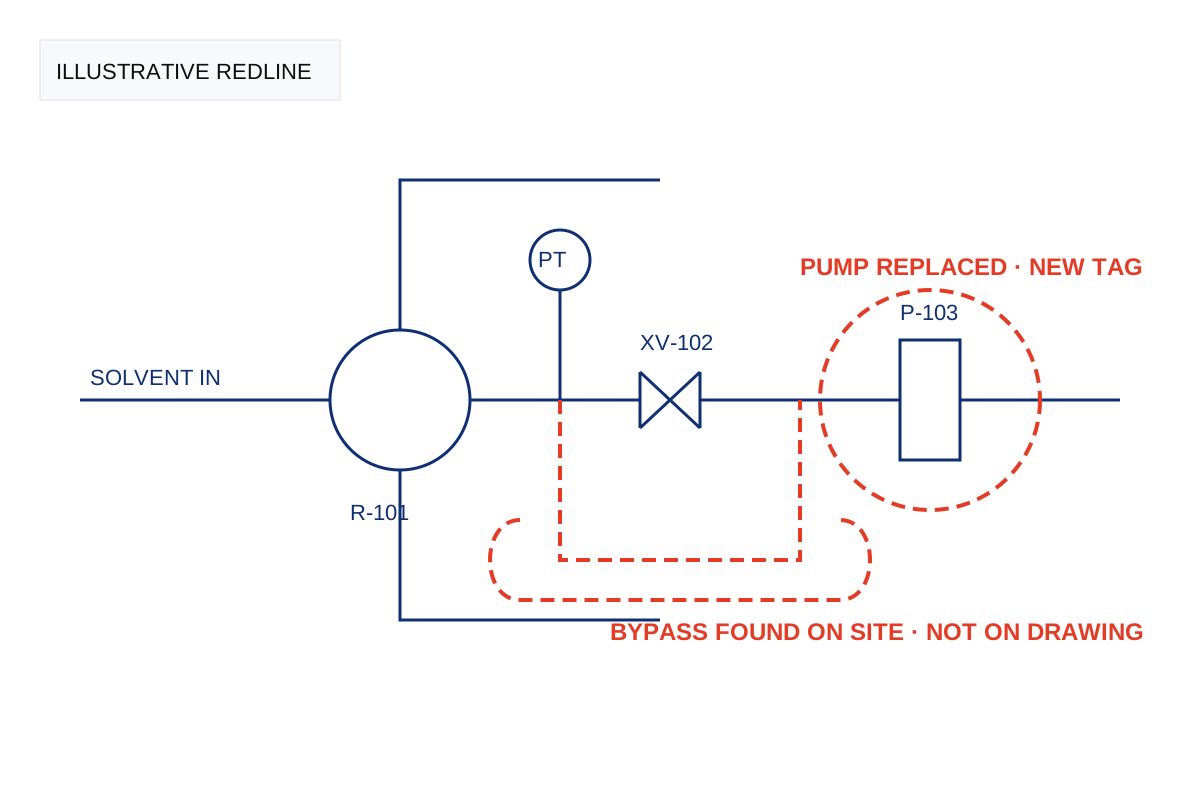 The drawing
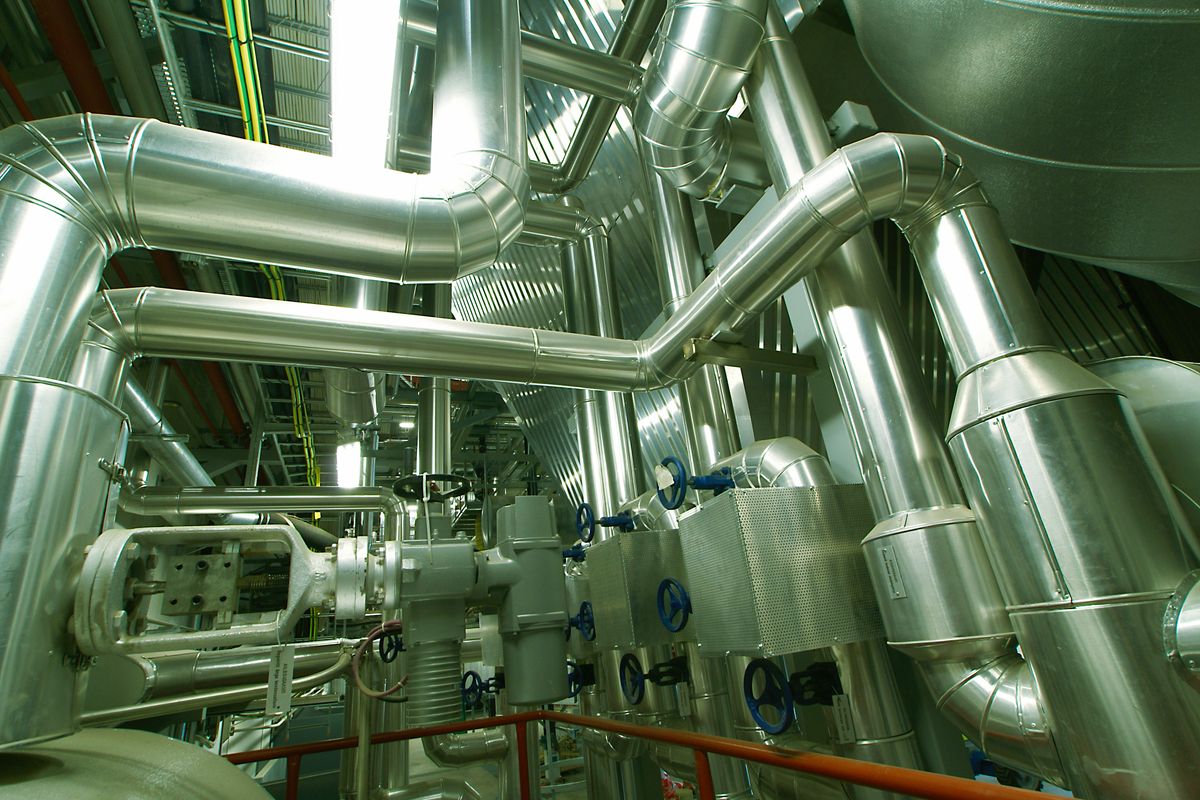 The site
Who prepares and checks the drawings?
Every proposal names the people on the drawings, with CVs. The licensee signs the application; the engineers sign the drawings.
P&ID lead
Walks the site and draws the P&ID and the alteration plan. Named in the proposal.Checking engineer
Checks every sheet against the site record before issue. Named in the proposal.Drawing register
Each sheet carries its revision and the date it was checked, so the filing can be traced.Planning several alterations this year? Send this to your projects head.VB Engineering capability brochure, sent to you by email.
Questions plants ask about P&IDs for PESO
Does PESO need a P&ID for a new SMPV licence?
Yes. Rule 46(1)(i)(e) of the SMPV(U) Rules 2016 lists a piping and instrumentation diagram for the vessels, equipment and system among the plans filed for a storage licence.
Does PESO need a revised P&ID when a licensed installation is altered?
Yes. Rule 53(2)(ii) requires the P&ID of the vessels, equipment and system proposed with every alteration filing, alongside three copies of the plan showing the alteration in distinct colour.
Which drawings does PESO ask for with an alteration?
Three copies of a properly drawn plan of the licensed premises with the alteration in distinct colour and the reasons, the P&ID, and any other document the Chief Controller or Controller specifies (Rule 53(2)).
Can we carry out the alteration before PESO approves it?
No. Rule 53(1) says no alteration shall be carried out until the plan showing it has been approved in writing by the Chief Controller or a Controller he authorises.
When do we apply to amend the licence?
As soon as the sanctioned alteration has been carried out (Rule 53(4)). The amendment is applied for in Form AS-1 or AS-2 with four copies of the sanctioned plan, and the altered part is not used until the licence is amended (Rule 53(5), Rule 54(1)).
Which installations need a HAZOP for PESO?
Major installations of flammable or toxic gases including LNG, where total product exceeds 50 t or any vessel exceeds 100 m³ water capacity, whichever is less. Rule 46(1)(i)(c) asks for a HAZOP study and a risk analysis report by a reputed agency.
What is an SMPV licence?
An SMPV licence is PESO's licence to store compressed gas in pressure vessels under the Static and Mobile Pressure Vessels (Unfired) Rules 2016, which apply to vessels above 1,000 litres water capacity.
Who prepares the P&ID for a PESO filing?
The licensee files, and the drawings are prepared by the engineer the licensee appoints. VB Engineering prepares the P&ID, the alteration plan and, where needed, the HAZOP for the licensee's filing.
What if the P&ID on our licence no longer matches the site?
Rebuild it from the installation before the next alteration is filed. An alteration drawn on an out-of-date sheet carries the old differences into the new approval.
How do we get PESO approval for an alteration?
File the alteration plan, P&ID and documents on PESO's online system for scrutiny, wait for the signed plan, build the alteration, then apply to amend the licence before use.
Question not answered here? Ask a P&ID engineer.
What follows once you know the rule
These pages take the work from the rule to the drawings.
Tell us the alteration you are planning
Tell us the installation and the change. We reply in writing with the drawing set PESO will expect and whether a HAZOP and risk analysis apply.
- The drawings your alteration filing needs, listed
- Whether Rule 46(1)(i)(c) makes your installation a major installation
- A written answer whether or not you engage us
Ask a P&ID engineer
- A reply from a P&ID engineer, not a sales desk
- The drawing list for your alteration in writing
- Whether a HAZOP applies to your installation
Prefer to write? connect@groupvb.com · or WhatsApp us from the chat button