Your plant has changed. Your P&IDs have not. FieldSure closes the gap before the HAZOP.
1,000+ studies delivered since 2014. Our engineers check the plant in person before any drawing carries their signature.
Trusted by the World’s Most Demanding Plants.





















































Why do P&IDs stop matching the plant?
P&IDs stop matching the plant because operating plants change faster than their drawings. A P&ID (piping and instrumentation diagram) is the drawing that shows every line, valve, instrument and item of equipment in a process. Each modification, breakdown repair and temporary fix changes the plant, and only some of those changes ever reach the sheet.
The drift is rarely anyone’s fault. A shift team fits a hose to keep a batch moving, a maintenance crew replaces a pump with the model in stock, a project adds a block and ties into the nearest header. Each change is sensible on the day. Over ten or fifteen years they add up to a drawing set that describes a plant nobody operates any more, and the HAZOP, the safety audit and the next expansion all inherit that gap.
What a first field walk usually finds falls into a small number of patterns. Each one changes what a HAZOP or an auditor would conclude.
| What changed on site | What the old P&ID shows | What it does to a HAZOP or audit |
|---|---|---|
| Temporary hose made permanent | Nothing | The hazard is never reviewed, because the line is not on the sheet |
| Bypass fitted around a control valve | The control valve only | The bypass-open case is missed, along with its overpressure or overflow consequence |
| Pump replaced under a new tag | The old pump and tag | Datasheets and relief basis no longer match the machine installed |
| Instrument moved or removed | The original location | A safeguard is credited that is no longer where the study assumes |
| Line rerouted at an expansion tie-in | The old route | The tie-in is studied against a header that does not exist as drawn |
| Drain or vent added | Nothing | A release source is missing from the study and from area classification |

What is VB FieldSure, and what does it solve?
VB FieldSure is a HAZOP on verified P&IDs, delivered by one team. FieldSure verifies the drawings against the plant, corrects them, and then runs the HAZOP on that corrected set. A HAZOP (hazard and operability study) is a structured team review that tests each part of a process for what could go wrong. Because the same engineers walk the plant and prepare the study, a line found in the field is on the drawing before the first node opens.
| Question | Separate P&ID vendor and HAZOP firm | VB FieldSure |
|---|---|---|
| Who walks the plant? | The drawing vendor; the HAZOP firm works from what it is given | The same team that prepares the HAZOP |
| Who owns a line missed on the drawing? | It falls between two contracts | FieldSure, under one scope |
| Which drawing set does the HAZOP study? | The last issued set | The field-verified set |
| How many handovers? | Two contracts, two schedules | One engagement, one schedule |
| Where do actions point? | Often to sheets that are out of date | To corrected sheet numbers an auditor can open |
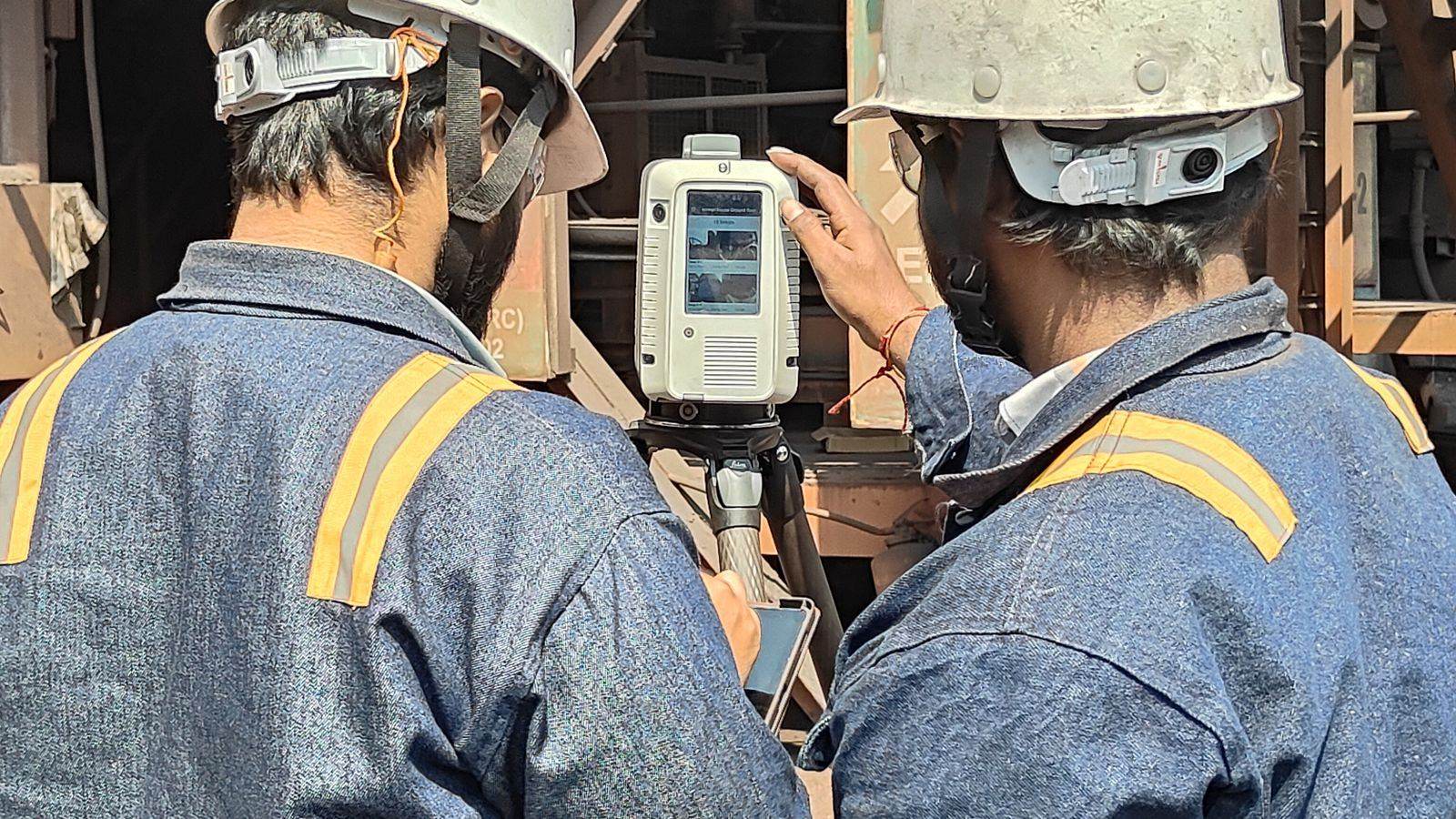
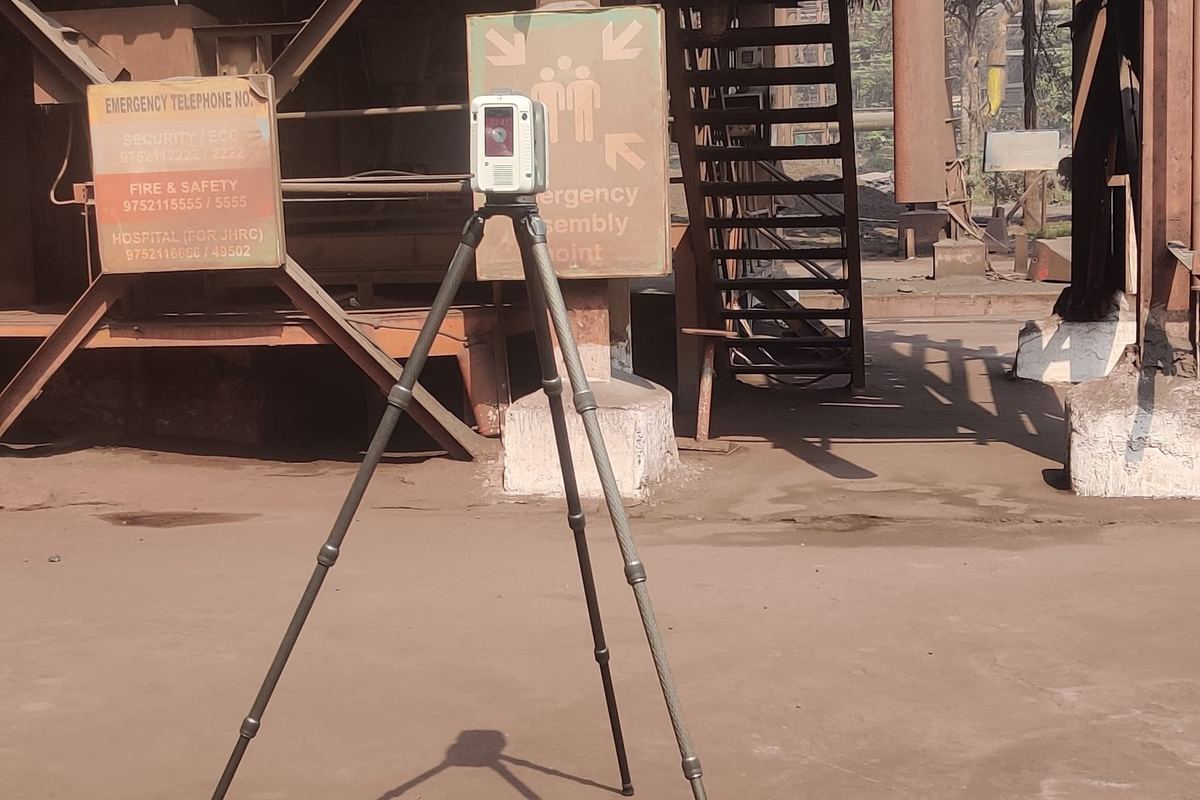
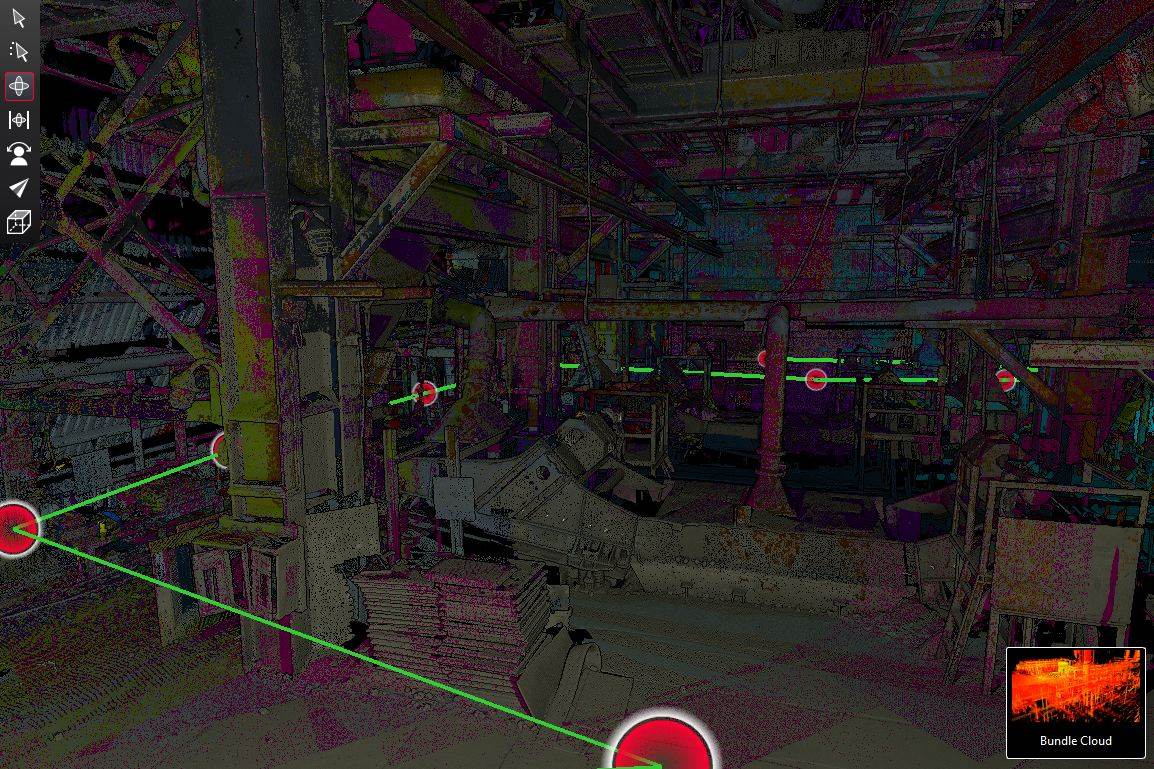
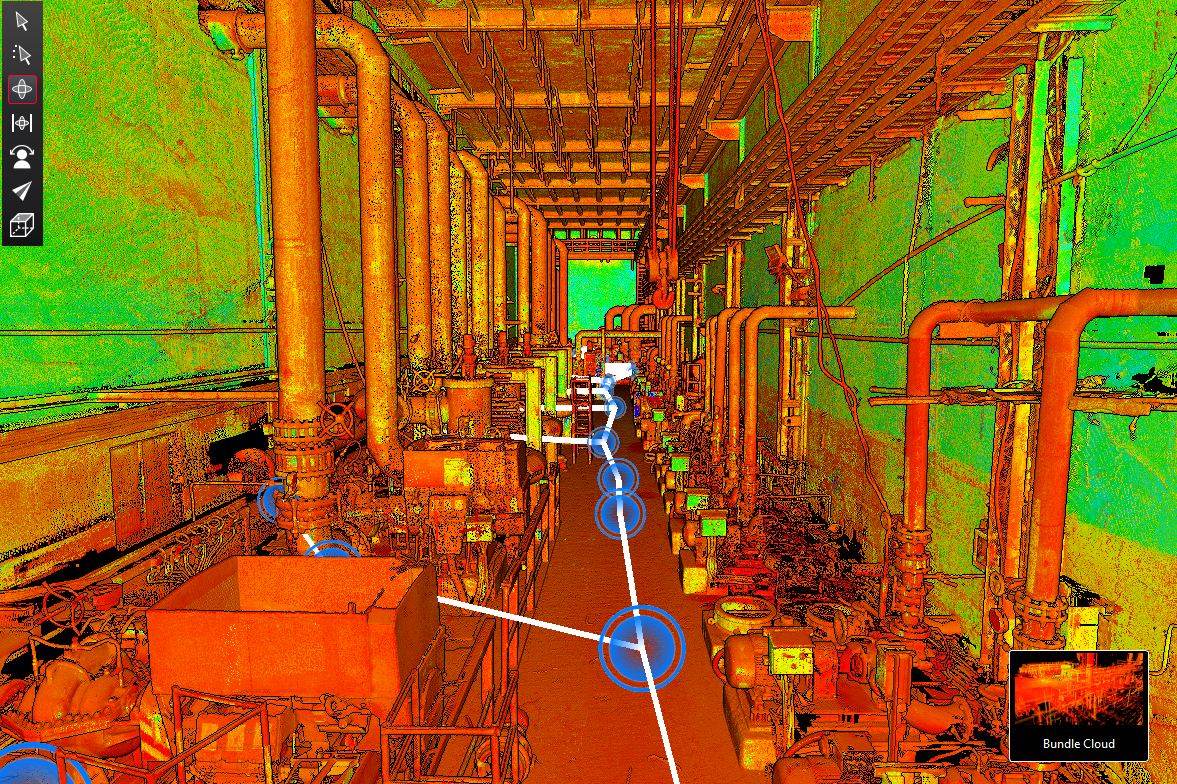
Verification is matched to the area. Open, accessible areas are walked line by line with the drawing in hand. Congested pipe racks, tall structures and tank farms are laser scanned with a Leica RTC360, and lines are traced in the registered point cloud. Either way, the result is the same: a discrepancy log, a corrected sheet and a HAZOP that starts from the plant as it stands.
Need a full digital twin instead? FieldSure ends in a HAZOP and a signed safety record. VB AssetTwin takes the same field capture to a live digital twin for operations and capex planning.
When does a plant need FieldSure?
A plant needs FieldSure when its drawings are about to be relied on: before an expansion tie-in, a HAZOP, a statutory safety audit or a customer audit. Six situations bring most plants to us.
Which plants is FieldSure built for?
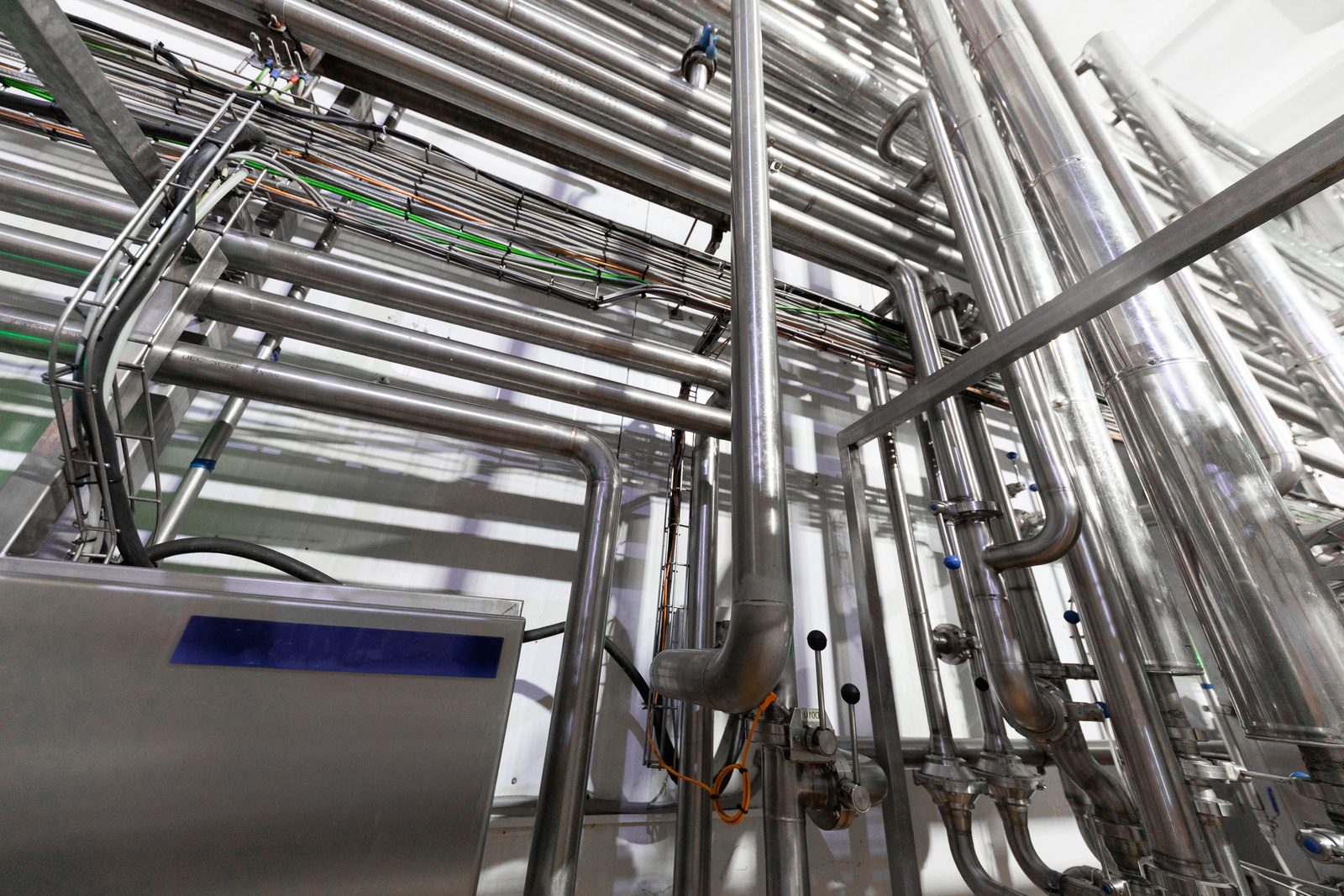
FieldSure is built for any plant whose safety case depends on its P&IDs: batch and continuous process plants, storage and utilities. Two industries have dedicated pages today; the others are served on request.
Which standards and rules does FieldSure work to?
FieldSure works to the international HAZOP standard and to the Indian codes and rules that make a current drawing set part of process safety.
| Standard and clause | What it means for your drawings and HAZOP |
|---|---|
| IEC 61882:2016 | The international application guide for HAZOP studies. FieldSure workshops follow its method of nodes, guidewords and deviations. |
| IS 15656:2006 · Cl 5.1.2.3, 8(g) | Clause 5.1.2.3 lists detailed P&I drawings among the inputs a HAZOP needs, and clause 8(g) calls for the study to be revisited when the plant undergoes a major change. |
| MSIHC Rules 1989 · Rule 10(4), 10(6), 11(1) | A major hazard site commissions an independent safety audit every year and, before any change that could alter its last safety report, files a fresh report with the authority at least 90 days ahead. |
| ANSI/ISA-5.1 | Sets the instrument symbols and tag letters on a P&ID. Corrected sheets follow it, or your plant drawing standard where one exists. |
The OSH Code 2020 replaced the Factories Act 1948 from 21 November 2025, while the MSIHC Rules, made under the Environment Protection Act, continue unchanged. For sector detail see the pharma and API and chemicals pages.
What does a FieldSure engagement deliver?
FieldSure delivers a verified drawing set and a HAZOP that rests on it, for the blocks you choose. Every deliverable traces back to a line someone walked or scanned.

- Drawing register review and scope by block
- Walkdown of every line in scope, marked up in red
- LiDAR scan where racks are too dense to trace by eye
- Registered point cloud of scanned areas
- Discrepancy log of every field-versus-drawing difference
- Corrected P&IDs in your CAD format, DWG and PDF
- Updated line and equipment lists
- HAZOP chaired by an engineer independent of your plant
- HAZOP worksheets and action register with owners
- Signed report that cites the corrected sheet numbers
Share your drawing register and the blocks in scope, and we price what is actually there.
How is FieldSure priced?
Three components make up a FieldSure price: a rate for each P&ID that is walked and corrected, HAZOP time driven by the nodes on those sheets, and a scanning charge by area where LiDAR is used. Give us your P&ID count below and we return a checked range with a written proposal.
| Part of the work | How it is priced | What moves the price |
|---|---|---|
| Field-verified P&ID | A rate per sheet, covering the field check, markup, CAD update and checking | State of the current sheets, how congested the racks are, the CAD platform |
| HAZOP on verified drawings | Study days set by the number of nodes on the verified sheets | Process complexity, batch or continuous, number of nodes, chairman days |
| LiDAR scan (where needed) | Per area scanned | Rack density, structure height, number of scan positions |
Get a price estimate
Three inputs are enough to start. We match them against plants of a similar size and process and send back a range with the proposal.
The range arrives by email after an engineer has sense-checked your figures, together with a written proposal you can take to your plant head.
How does a FieldSure engagement run, step by step?
A FieldSure engagement runs in six steps, and each step hands you a deliverable: from the drawing register review to a signed HAZOP report and drawings kept current every year.
Scope
Drawing register reviewed, blocks and sheets agreed. You get: a scope by block.Capture
Every line walked, or laser scanned where racks are dense. You get: walk notes or a registered point cloud.Redline
Each difference between plant and drawing marked in red. You get: the discrepancy log.Correct
Sheets corrected in your CAD format and checked. You get: verified P&IDs in DWG and PDF.HAZOP
Independent chairman runs the IEC 61882 method on the corrected set. You get: worksheets and an action register.Sustain
Approved changes added to the drawings. You get: a signed report and a drawing set that stays current.A study is only as true as the sheets on the table. HAZOP teams examine what is drawn. Anything installed but missing from the P&ID, a permanent hose or an undrawn bypass, is never questioned, so its hazard never reaches the action register.
Which scanners and software does VB use for P&ID and as-built work?
VB captures plants with the Leica RTC360 laser scanner, registers the scans in Leica Cyclone REGISTER 360 PLUS and Autodesk ReCap Pro, and draws P&IDs and 3D models in AutoCAD Plant 3D and Autodesk Revit. Your drawings come back in the format your engineers already open every day.
| Stage | Tools we work in | What you receive |
|---|---|---|
| Capture | Leica RTC360 laser scanner · FARO Focus and Trimble X7 where your site specifies them · field walkdown with redline markup | Coloured 3D scans of every area in scope, with photos |
| Register | Leica Cyclone REGISTER 360 PLUS · Autodesk ReCap Pro | One registered point cloud (E57, RCP or RCS) |
| Draw P&IDs | AutoCAD Plant 3D P&ID · AutoCAD P&ID · AVEVA and Hexagon Smart P&ID formats on request | Verified P&IDs in DWG and PDF, with the tag database |
| Model | AutoCAD Plant 3D · Autodesk Revit | 3D plant model, isometrics and general arrangement drawings |
| Review | Autodesk Navisworks | One federated model your team can walk through and mark up (NWD) |
Running a different platform? Tell us which one in the form. We deliver in the software and drawing standard your plant already uses.
Product names are trademarks of their respective owners.
What does FieldSure find on a first field walk?
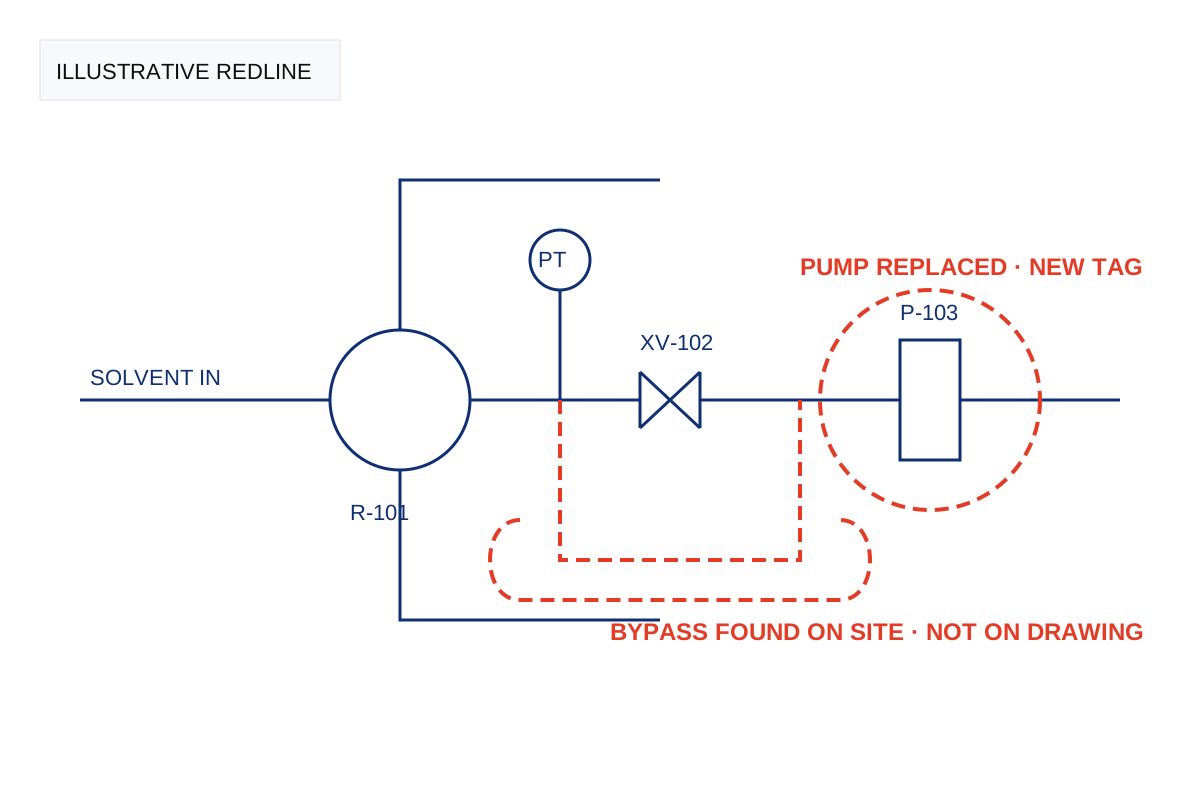
On a large API manufacturing site in South India, the first FieldSure walk covered the solvent recovery block and its tank farm, logged every place where the pipe and the paper disagreed, and closed with a HAZOP on the corrected sheets.
The walk found what most operating plants carry: a solvent transfer hose that had become a permanent line, a bypass fitted around a control valve and left in, a pump changed out under a new tag, and a drain that appeared on no drawing. Each finding was marked in red, entered in the discrepancy log and corrected in CAD before the workshop, so the HAZOP chairman opened the first node on the plant as it stands and every action pointed to a sheet the auditor could open.
Have a tie-in, revalidation or audit on the calendar? Ask for a range for your plant.
Who walks the plant, who chairs the HAZOP and who signs?
Three people stand behind every FieldSure report, and the proposal names each of them with a CV before you award, so you know who will be on your site and whose signature closes the study.
P&ID and piping lead
Named with CV in the proposalIndependent HAZOP chairman
Named with CV in the proposalVB Engineering signatory
Named with CV in the proposalQuestions plants ask about FieldSure
What is VB FieldSure?
VB FieldSure is a single service that verifies a process plant’s P&IDs against the installed plant, corrects them, and runs the HAZOP on the corrected set. Verification is by walkdown, or by LiDAR laser scan where racks are dense. One team carries the work from first walk to signed report.
What problem does FieldSure solve that a separate P&ID update and HAZOP do not?
It removes the gap between two contracts. When one firm updates drawings and another runs the HAZOP, a line missed on the walk is nobody’s finding. FieldSure puts the walk, the correction and the study with one team, so the HAZOP opens on drawings that team has verified.
Does FieldSure need a plant shutdown?
In most plants, no. Walkdowns and laser scans run while the plant operates, under your permit-to-work system and with your escort. Areas that need isolation or access equipment are scheduled with you, and the HAZOP itself is a workshop away from the process.
Which industries does FieldSure serve?
Any plant whose safety case depends on its P&IDs. Pharma and API, and chemicals, agrochemicals, dyes and paints have dedicated pages. Gas pipelines and city gas, refining and terminals, food and beverage, and other major accident hazard or hazardous-process factories are served on request.
Is FieldSure available outside India?
FieldSure is offered in India first. VB Engineering works across 21 countries, so for a site elsewhere, tell us the country in the form and an engineer confirms how the work would run there.
What do we receive at the end of a FieldSure engagement?
You receive the discrepancy log, marked-up PDFs, corrected P&IDs in DWG and PDF, updated line and equipment lists, the point cloud for any scanned area, the HAZOP worksheets and action register, and a signed report that cites the corrected sheet numbers.
Can FieldSure work to our CAD standard and our HAZOP format?
Yes. Corrected sheets come back in your CAD platform, layers and title block, and HAZOP worksheets can follow your corporate template. Name the platform and standard in the form and the proposal confirms it.
How are the drawings kept current after the HAZOP?
Through the annual Sustain step. Changes approved under your management of change procedure are added to the P&IDs on a yearly cycle, so the next audit, revalidation or tie-in starts from a current set instead of another full walk.
How is FieldSure different from VB AssetTwin?
FieldSure ends in a HAZOP and a signed safety record. VB AssetTwin ends in a digital twin of the plant for operations and capex planning. Both start from the same field capture; choose by what the plant needs the drawings for.
How do we start?
Use the Get price estimate button with your plant type and approximate P&ID count. An engineer checks the inputs and emails a price range with a written proposal. If you want proof first, ask for five P&IDs to be verified on site before you award.
Where to go next
Price your plant’s P&IDs and HAZOP
Send the site name and an approximate P&ID count for the blocks you want covered. We review what you send and reply with a range and a written proposal for the full engagement.
- Proof first: five sheets checked on site before you commit
- A field-versus-drawing log ready for your auditor
- One range covering every block you list
Prefer to write? connect@groupvb.com · or WhatsApp us from the chat button
VB Group® · Sustainability A Certainty.
Six fields. One written proposal.
Your name, work email, company and site, your role, the help you need, and a WhatsApp number if that suits you better.